
The Performance of Aging
Understanding the YAVIS Bias


I saw an IG post the other day where a woman proudly declared, “This is what 65 looks like,” while leaping around her living room, running in place, doing somersaults.
I watched it and thought, I’m older than she is. I wonder what I can do.
So I started leaping around my own living room. And then I stopped and thought: What exactly am I proving?
Me, the one who has spent years resisting definitions of aging well that mainly keep a tally on how many youthful attributes we can manage to hang to. And yet, there I was, testing myself against a stranger. And I must admit, a little pleased that I could mostly match her energy.
Our national obsession with youth culture is hard to shake. Even those of us challenging it, all elbows and knees, have to stay alert to the quiet ways it creeps into our own thinking.
I cringe when I hear "age is just a number." It's so much more than that. It's every choice we've made, every chance taken, loss weathered, and the lessons only time can teach us. It's the whole of who we are.
The “Brain Sexy” Shift
I’d love to see a richer vocabulary for this stage of life. I once heard someone described as “brain sexy,” and I loved that phrase.
You know the type. You sit down next to a woman like that at a dinner party and immediately sense the life she’s lived. The stories she’s carried. And you lean in because you know the conversation is going to be good.
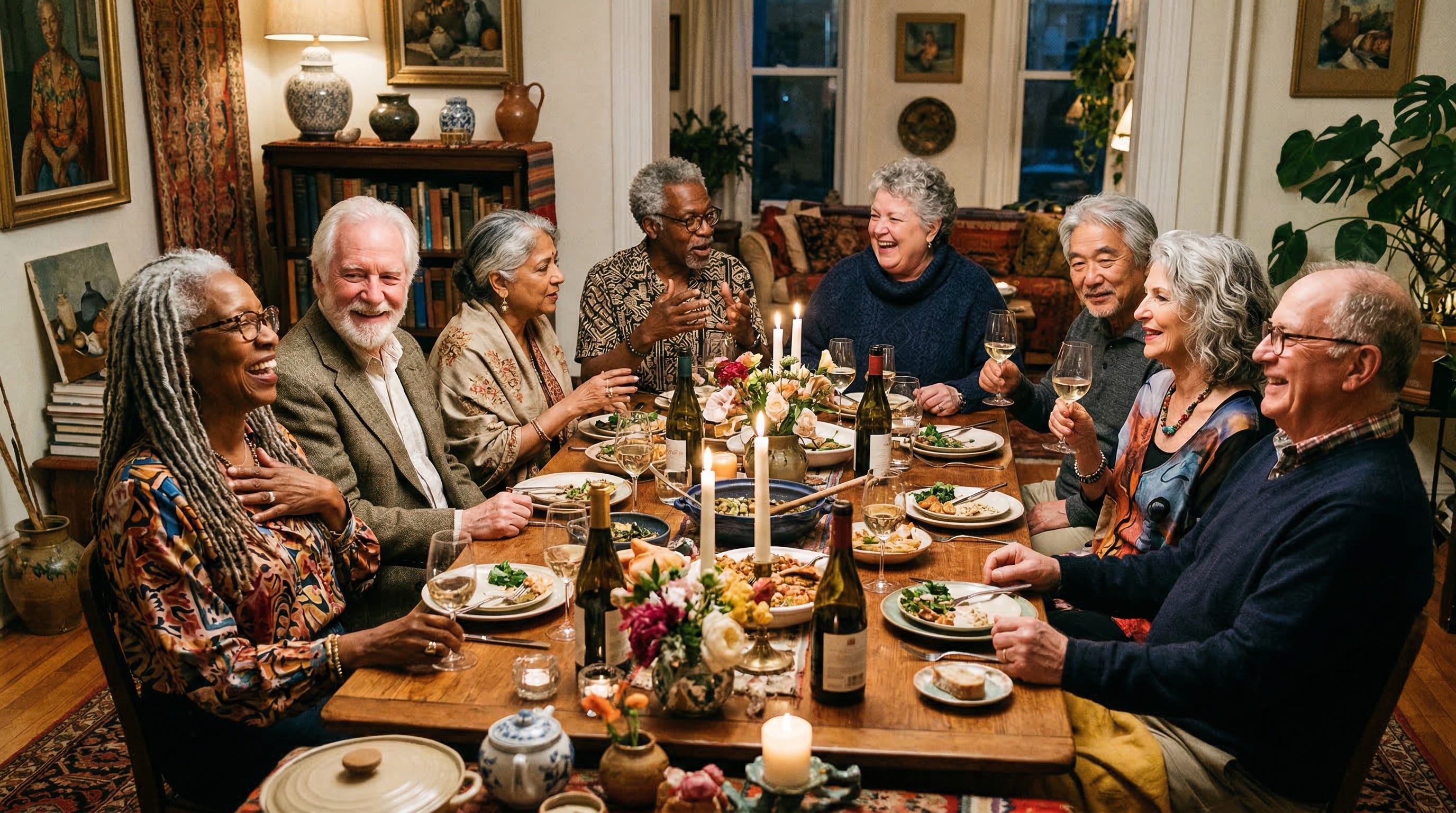
Vitality, strength, and caring for ourselves—that’s what aging well means to me. Staying curious, open to what we still don’t know. I’m not looking for 70 to be the new 50, yet that is precisely the script so much of our ‘positive aging’ talk seems to follow.
The YAVIS Trap
In my mid-thirties, I briefly dated a psychoanalyst. He told me his preferred patient was a YAVIS:
Young
Attractive
Verbal
Intelligent
Successful
The term was new to me. YAVIS problems, he told me, were more interesting. YAVIS patients had agency and choice and the resources to create a better life for themselves. It’s not that he didn’t feel compassion for people of modest means facing huge life challenges; he just didn’t want them in his practice.
Well, it seems even as YAVISes age, they’re still preferred. In their sixties and seventies now, they’re the “cool seniors,” the media darlings, the ones marketers love to focus on.
Too often when we think of reframing aging we think of them—still high school skinny, free from joint pain, working seventy-hour weeks in cool encore careers. Their lives have come to define what aging well means.
The underlying message is that aging well means not looking different, feeling different, or acting different than we did in our late forties, early fifties.
I know a lot of us are pushing back on this script. So what is the way forward if we’re not trying to rewind the clock?
What does aging well look like for you? And let’s start building a new vocabulary for this stage of life. Personally, I like “big age” better than senior and find sovereign more fitting than crone. I also claim and don’t run from the word “old.”
And you? What terms are you using? What new vocabulary fits the life you’re living now?
I am loving BIG AGE. I get a kick out of reclaiming crone. But more invested in reclaiming OLD. I think the answer is to LIVE what you are talking about here. I am 75. About to turn 75. And it feels very different from 50. Let's talk about that! Your fan,
I'm disappointed when I meet someone my age or older and, after speaking with them for a while, realise they lack wisdom. That's what I look for and expect from people older than me: wisdom. Physical vitality is an asset, but not a prerequisite. What I want is to sense that they know how to achieve success, because they have read widely, tried things, and worked hard.
We owe it to the next generation to become wise, and share that wisdom for their benefit.